
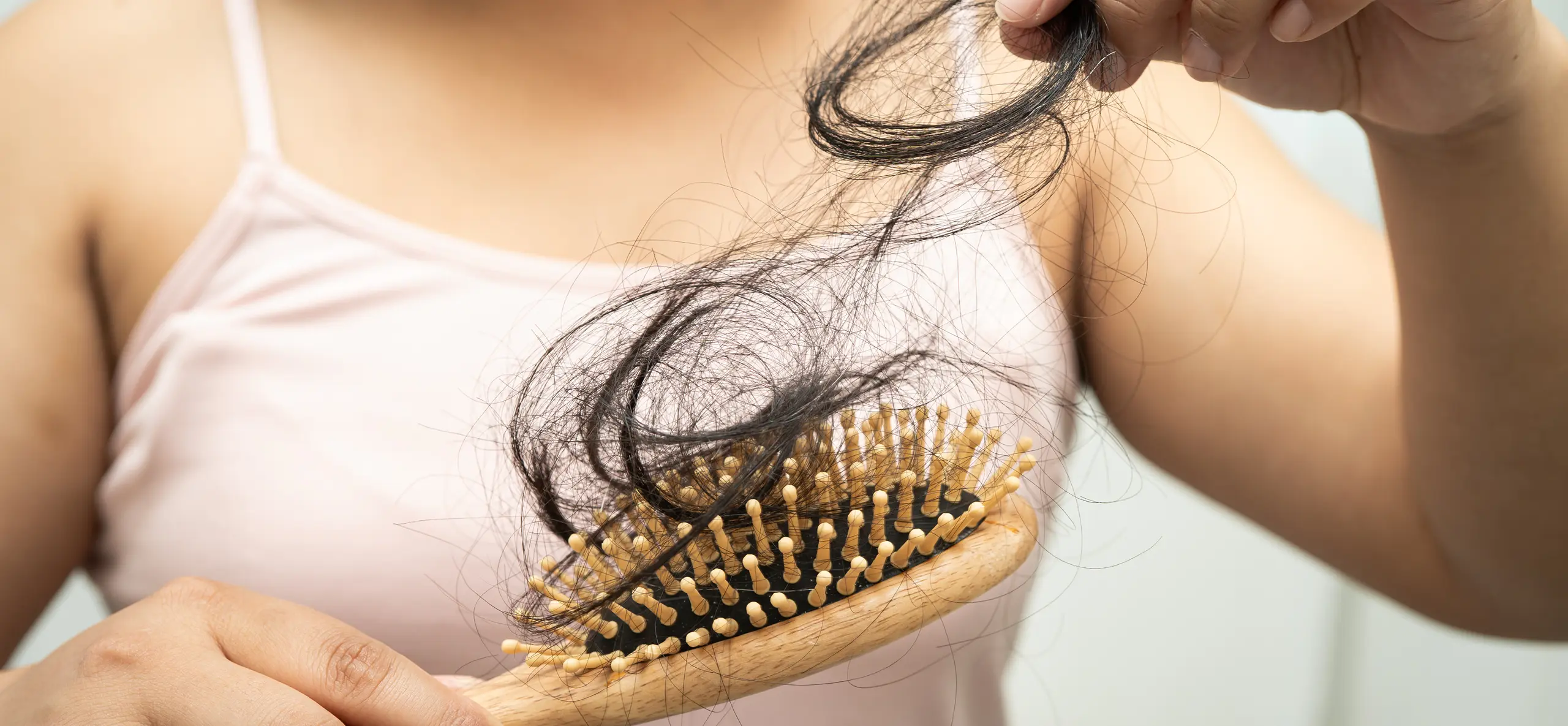
Starting a weight loss injection Mounjaro programme can feel positive, especially for those aiming to improve their health and manage weight more effectively. However, some people notice changes such as increased hair shedding or reduced thickness during their journey. This can feel concerning, particularly when the goal is improved wellbeing rather than new worries about appearance.
If you are experiencing this, you are not alone. It is common to question whether hair changes are temporary or related to weight loss treatment. This article explains why hair shedding may occur, what current evidence suggests, and practical steps that may help reduce the risk while keeping safety a priority.
Key Takeaways
- The weight loss injection Mounjaro can lead to rapid weight loss, which sometimes triggers hair shedding.
- Hormonal and metabolic shifts, nutrient gaps, stress and calorie restriction may all contribute.
- Early evidence is limited; anecdotal reports warrant caution rather than alarm.
- A balanced diet, protein intake, gentle exercise and scalp care can help reduce hair-loss risk.
- Safe access through regulated prescription helps ensure dosage is monitored and side effects managed.
- If shedding is severe or persistent, seek medical review promptly to rule out other causes.
The Basics of Mounjaro: What It Is and How It Works
Mounjaro for weight loss is a clinically approved medication containing tirzepatide, offered to adults with obesity or overweight as part of a structured weight-management plan. It acts by stimulating the same gut hormones (GIP and GLP-1) that help control hunger, steady digestion, and signal fullness more quickly.
As a prescribed option, the weight loss injection Mounjaro is usually paired with guidance on nutrition and physical activity, as weight management works best when medication is supported by healthy daily routines.
Used responsibly, it may help reduce calorie intake, support fat loss, and improve metabolic markers. However, as with many potent treatments, it requires careful monitoring and a holistic approach.
Mounjaro
Dual-agonist support that helps curb appetite, hunger, and cravings to drive substantial, sustained weight loss.
- ✔ ~22.5% average body weight loss
- ✔ Significant weight reduction
- ✔ Improves blood sugar levels
- ✔ Clinically proven weight loss
Why Mounjaro Might Be Linked to Hair Loss
Hair loss during the use of the weight loss shot Mounjaro may stem from several overlapping factors:
- Hormonal and metabolic shifts are triggered by the drug, that leads to rapid fat loss.
- Calorie restriction and nutrient deficits cause the body to divert resources away from non-essential functions like hair growth.
- Stress response and emotional strain of significant lifestyle changes, which can impact the hair cycle.
- Rapid weight loss itself is known to sometimes precipitate telogen effluvium, a temporary hair-shedding condition.
In short, while the weight loss injection Mounjaro supports fat reduction, the body undergoes big adjustments, and hair can get caught in the crossfire.
The Core Science| What Happens in the Body?
When you begin weight loss injection Mounjaro, several internal changes can influence hair health. The medication’s hormonal action on GIP and GLP-1 alters appetite and digestion, which often leads to reduced calorie and protein intake. Over time, this can limit the essential building blocks your hair needs to stay strong and grow well.
As your metabolism shifts during fat loss, the body naturally prioritises vital functions. Non-essential processes, such as hair production, may receive fewer resources. If protein, iron, zinc or other nutrients fall below what your body requires, the scalp and hair follicles may not get enough support to maintain healthy growth.
Rapid weight loss and the physical stress of significant body changes can also raise cortisol or other stress hormones. This type of stress is a known trigger for telogen effluvium. It’s a temporary form of shedding where hair enters the resting phase too early and falls out more easily.
The emotional side plays a significant part too. Anxiety about appearance, disrupted sleep or changes in mood can place further strain on the hair cycle, gradually contributing to thinning or increased shedding.
Taken together, these shifts create a perfect storm for possible hair loss during treatment. Importantly, the injection itself is not directly damaging hair. It is the combination of metabolic stress, reduced intake and psychological factors that may lead to temporary shedding.
Benefits of Mounjaro for Weight Loss (Scientifically Supported)
Despite the hair-loss concern, many benefits of Mounjaro injection uk remain well-documented:
- Significant reductions in body weight, especially fat mass, when combined with lifestyle changes.
- Improvement in blood sugar control and metabolic markers in people with type 2 diabetes or pre-diabetes.
- Appetite reduction leading to easier calorie control, which may support long-term weight management.
- Potential improvement in cardiovascular risk factors (blood pressure, cholesterol) in some users.
These benefits underscore why many choose this weight loss injection mounjaro, provided it’s managed responsibly.
Potential Side Effects Related to Hair Loss

Even though direct research linking Mounjaro weight loss uk and hair loss is limited, several risks merit attention:
- Telogen effluvium: triggered by rapid weight loss, nutrient deficiency or stress may cause diffuse hair thinning.
- Protein and micronutrient deficiencies: If the diet is inadequate, especially during appetite suppression.
- Metabolic stress: It is caused by rapid fat loss, hormonal and digestive changes.
- Emotional stress and body-image worries: They lead to sleep disruption or increased cortisol.
- Delayed hair growth cycle: Even once shedding slows, regrowth may take months.
It’s important to stress: these are possible side-effects, not certain outcomes. Many people complete treatment without noticeable hair changes.
Emotional & Psychological Impact

Hair loss or even the fear of it can take an emotional toll. For some people using a Mounjaro injection, the early satisfaction of weight loss can quickly shift into worry about changes in appearance. This worry may affect self-esteem and body confidence, disrupt sleep, or lead to dips in mood.
Some individuals also notice changes in eating patterns or become preoccupied with trying to “fix” their hair. This can reduce motivation and make the weight-loss journey feel harder, especially if progress slows. At Weight Loss Pharmacy, we understand that emotional well-being is just as important as physical health. It’s completely normal to feel concerned, and planning for balance, support and reassurance is an essential part of safe weight management.
Who Is More Likely to Experience Hair Loss on Mounjaro?
Hair thinning during Mounjaro weight loss programmes seems more common in people who:
- Lose weight very rapidly (> 1 kg per week on average)
- Follow low-calorie or micronutrient-poor diets
- Already had fragile or thinning hair before starting treatment
- Have thyroid issues, iron deficiency or other metabolic/hormonal imbalances
- Face high stress levels or suffer from poor sleep
- Do not supplement with adequate protein, vitamins or minerals
Being aware of these risk factors helps you adjust your plan accordingly.
Practical Tips to Prevent or Reduce Hair Loss
If you choose the weight loss injection Mounjaro, here are practical ways to protect your hair:
- Ensure sufficient protein intake, aim for 1.0–1.5 g per kg body weight daily.
- Support with iron, zinc, biotin, B-vitamins and vitamin D.
- Stay hydrated; dehydration can impair hair follicle health.
- Maintain gentle physical activity, avoid extreme dieting or over-exercise.
- Use scalp care by using gentle shampoo, avoiding harsh treatments, and reducing heat styling.
- Manage stress & sleep, as restful sleep and stress reduction help maintain healthy hair cycles.
- Monitor gradual weight loss and avoid extreme calorie restriction where possible.
These simple steps can go a long way in reducing hair-loss risk, while still supporting fat loss.
A Future Where Hair and Health Thrive

To put it in a nutshell, weight-loss injection Mounjaro can be an effective tool for reducing fat and improving metabolic health, but it is not without potential challenges. Hair loss may occur, particularly in the context of rapid weight loss, nutrient deficiencies, or stress. Importantly, this risk appears indirect and manageable.
Weight Loss Pharmacy provides access to wellbeing services where care is determined following assessment by a UK-licensed healthcare professional, with decisions based on safety, suitability and clinical appropriateness.
FAQs
Q1: Does everyone on Mounjaro lose hair?
No. Hair loss is not a guaranteed side effect. Many people using Mounjaro injection UK complete treatment without noticing any hair thinning, especially if they follow a balanced diet and monitor nutrient intake.
Q2: When does hair shedding typically start if it happens?
Hair loss related to rapid weight loss or metabolic stress commonly appears 2–4 months after the trigger, so if you start shedding in that window, it may be linked to your weight change rather than genetics.
Q3: Can switching from Mounjaro help stop hair loss?
Not necessarily. If shedding results from nutrient deficits or rapid weight loss, restoring nutrition and stabilising weight may help. Always consult your clinician before changing treatment.
Q4: Should I take hair-support supplements alongside treatment?
Supplements may help, but it’s better to optimise diet first. If you consider supplements (e.g. iron, biotin, zinc), discuss with your GP and avoid high-dose self-medicating.
Q5: Is the hair loss permanent?
Usually not. In most cases of telogen effluvium triggered by weight loss or stress, hair regrowth begins within 3–6 months, once the underlying cause is addressed.
Q6: Does weight loss injection Wegovy have hair-loss risks like Mounjaro?
Some users of the weight loss injection Wegovy notice temporary shedding, much like those on the Mounjaro injection. This is usually due to rapid weight loss or reduced nutrients rather than the medication itself, and similar nutrition and care tips can help protect hair.
Q7: Is it safer to lose weight slowly to avoid hair loss?
Yes. Gradual weight loss (e.g. 0.5–1 kg per week) is less shocking to the body and reduces risk of stress- or nutrition-induced shedding.
Q8: Can I still use Mounjaro if I’m worried about hair loss?
Yes, many doctors support its use when paired with proper nutrition, monitoring and lifestyle support. If you’re concerned, discuss with your clinician before starting treatment.
References:
https://www.nhs.uk/conditions/obesity/treatment/
https://my.clevelandclinic.org/health/diseases/24486-telogen-effluvium
https://jamanetwork.com/journals/jamainternalmedicine/fullarticle/2836527